
Glaucoma: Why Is Early Detection Essential?
Glaucoma is a group of eye conditions that damage the optic nerve, which is vital for good vision. This damage is often caused by unusually high pressure in the eye. What makes this condition distinctive is that, in its early stages, it usually does not cause pain or noticeable vision loss, so many patients are unaware they have it.
Risk factors and clinical evaluation Although glaucoma can affect anyone, there are certain factors that the ophthalmologist evaluates with special attention during a consultation:
Age: The risk increases significantly after age 60.
Family history: There is an important hereditary component that should be mentioned to the specialist.
Elevated intraocular pressure: This is the main risk factor and the only one that can be modified through treatment.
Medical conditions: Diabetes or high myopia can affect the health of the optic nerve.
The value of a personalized diagnosis It is a common mistake to think that all cases of glaucoma are treated the same way. “Normal” eye pressure varies from person to person; what is safe for one patient may be harmful to another due to the anatomy of their eye or the thickness of their cornea.
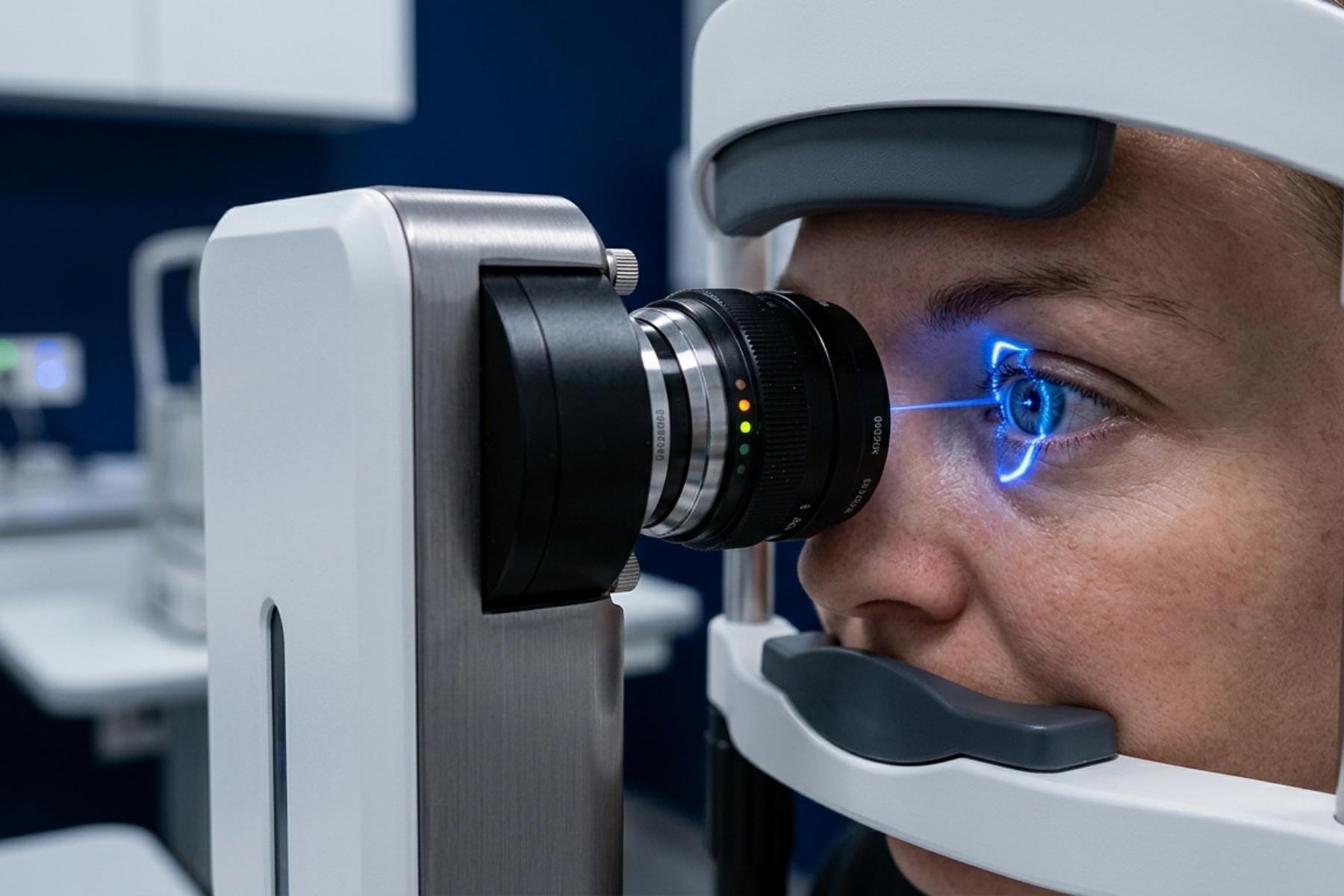
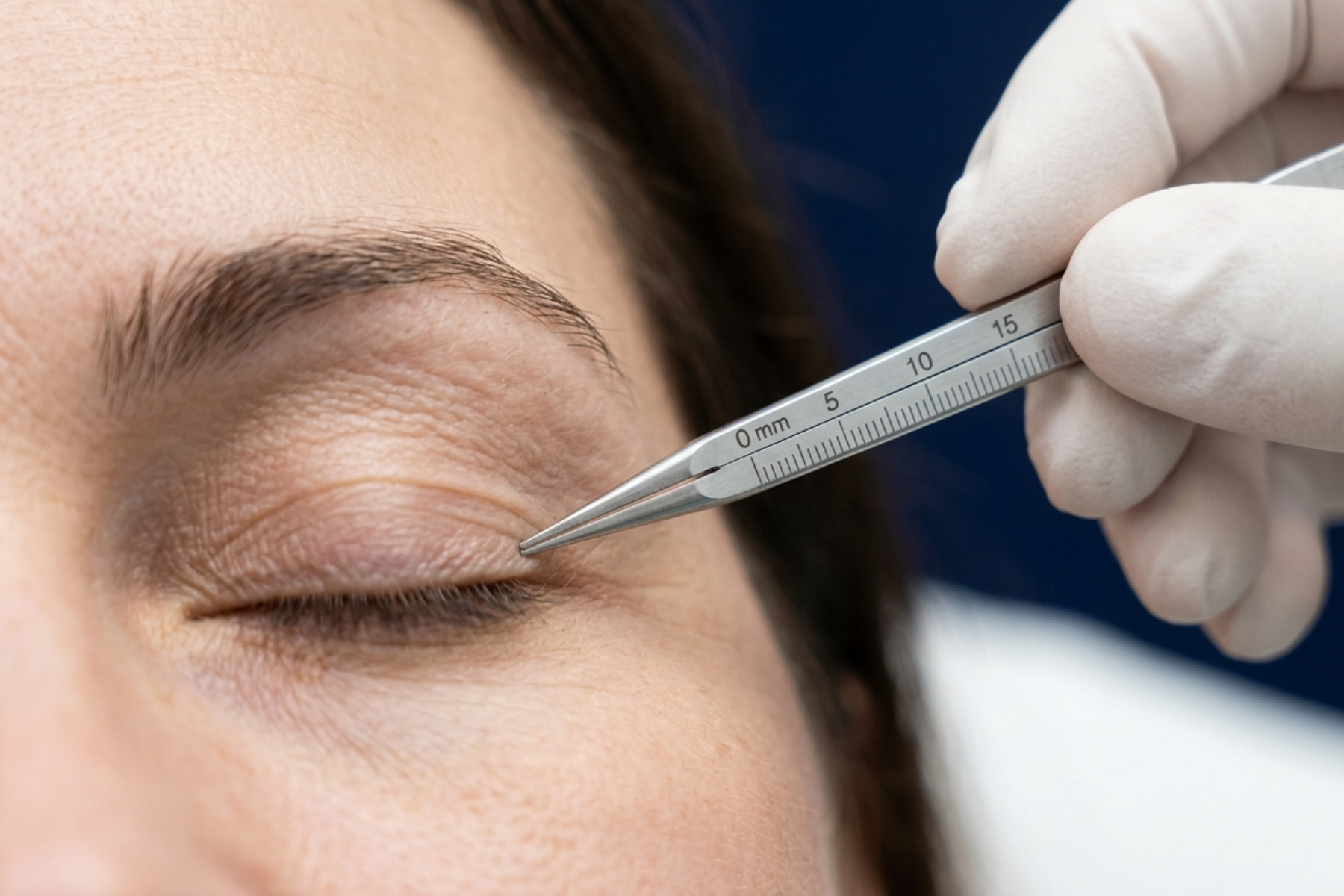
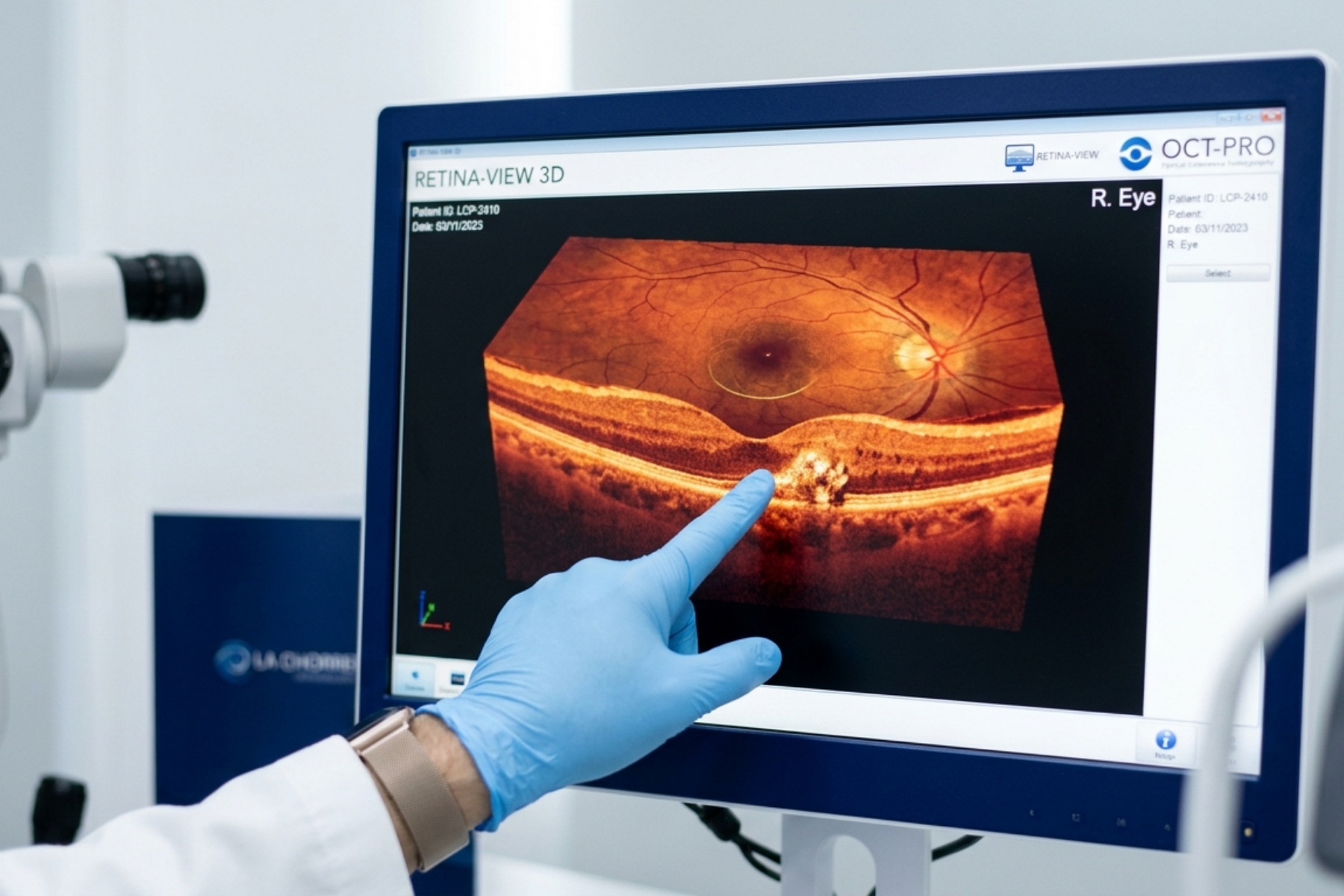
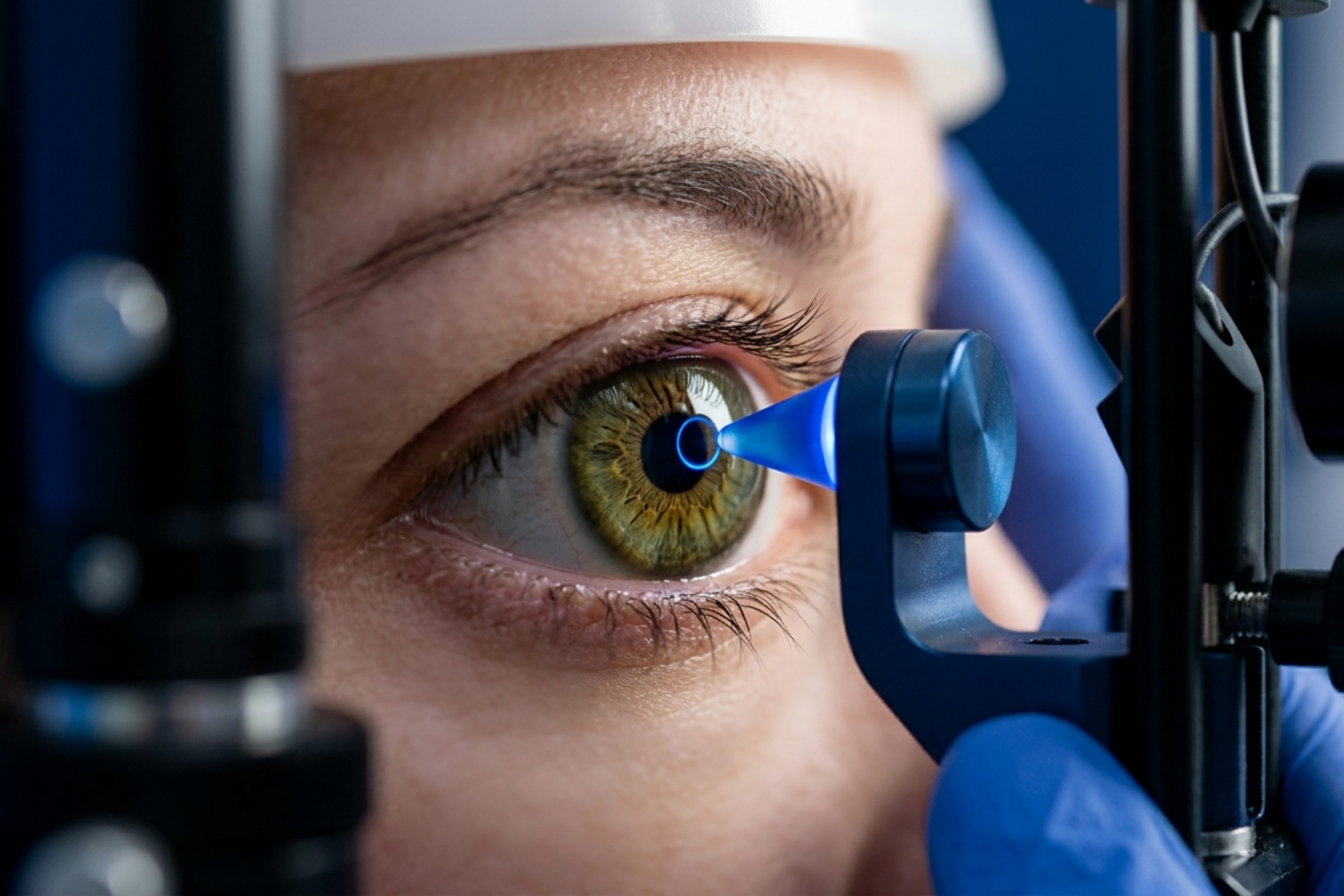
At Boyd Clinic, the diagnostic process is not limited to a single test. The specialist integrates various studies, such as tonometry (pressure measurement), evaluation of the drainage angle, and analysis of the optic nerve’s condition. Based on this set of data, the physician will determine whether the patient requires preventive treatment, close observation, or a specific intervention.
Monitoring and quality of life While the damage caused by glaucoma is not reversible, vision loss can be prevented or significantly delayed if it is detected early. Treatment, which in most cases begins with the consistent use of medicated eye drops, aims to stabilize eye pressure to protect the optic nerve fibers.
Consistency with follow-up appointments is the cornerstone of success. After monitoring the progression of each case, the physician will adjust the management plan to ensure the patient maintains their independence and visual quality.
When was the last time you had your eye pressure checked? If you have risk factors or if more than two years have passed since your last comprehensive eye examination, we invite you to schedule a diagnostic evaluation. Timely diagnosis is the best protection for your future vision.