
Keratoconus: Current Options for the Management of Irregular Cornea
Keratoconus is a progressive condition in which the cornea, the transparent outer layer of the eye, thins and begins to curve outward in a cone shape. This irregularity prevents light from focusing correctly on the retina, resulting in distorted vision, double vision, and unusual light sensitivity that cannot always be fully corrected with conventional glasses.
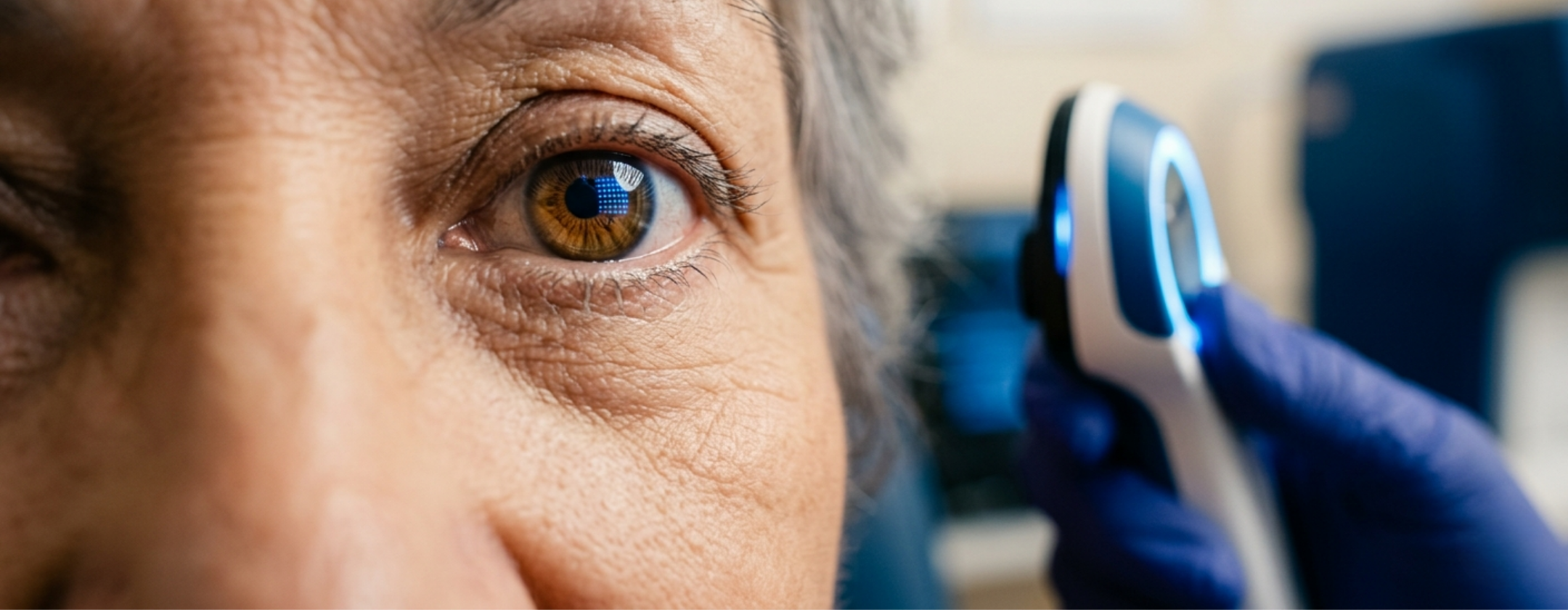
The Importance of Early Diagnosis Unlike other refractive errors, keratoconus usually manifests during adolescence or early adulthood. A common sign is frequent changes in eyeglass prescriptions, especially a rapid increase in astigmatism. Detecting this condition in its early stages is crucial to prevent the deformation from progressing to more severe stages.
A Tailored Approach for Each Eye It is vital to understand that keratoconus manifests differently in each person. While one patient may simply require close monitoring, another may need specific interventions to strengthen the corneal structure or improve visual quality.
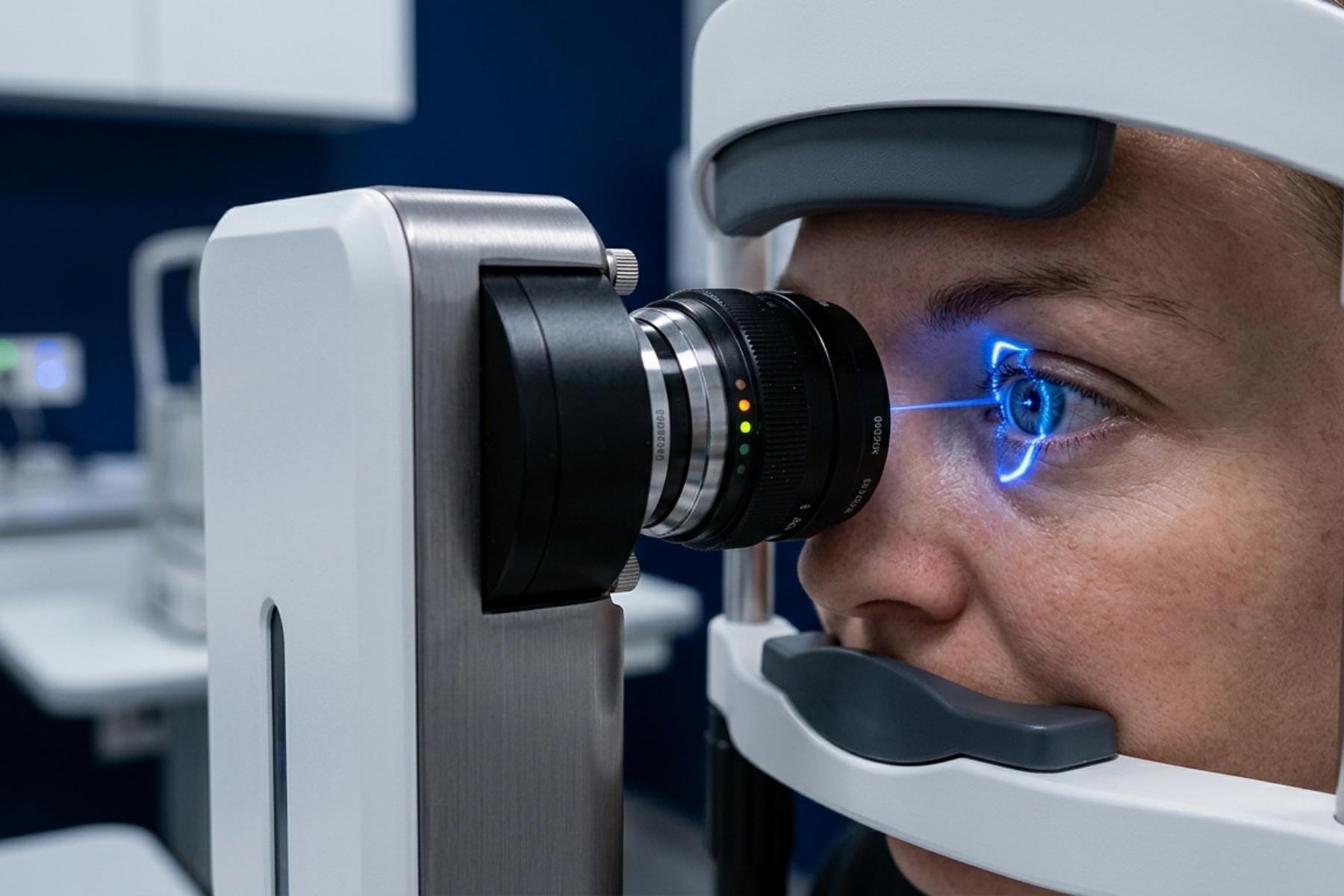
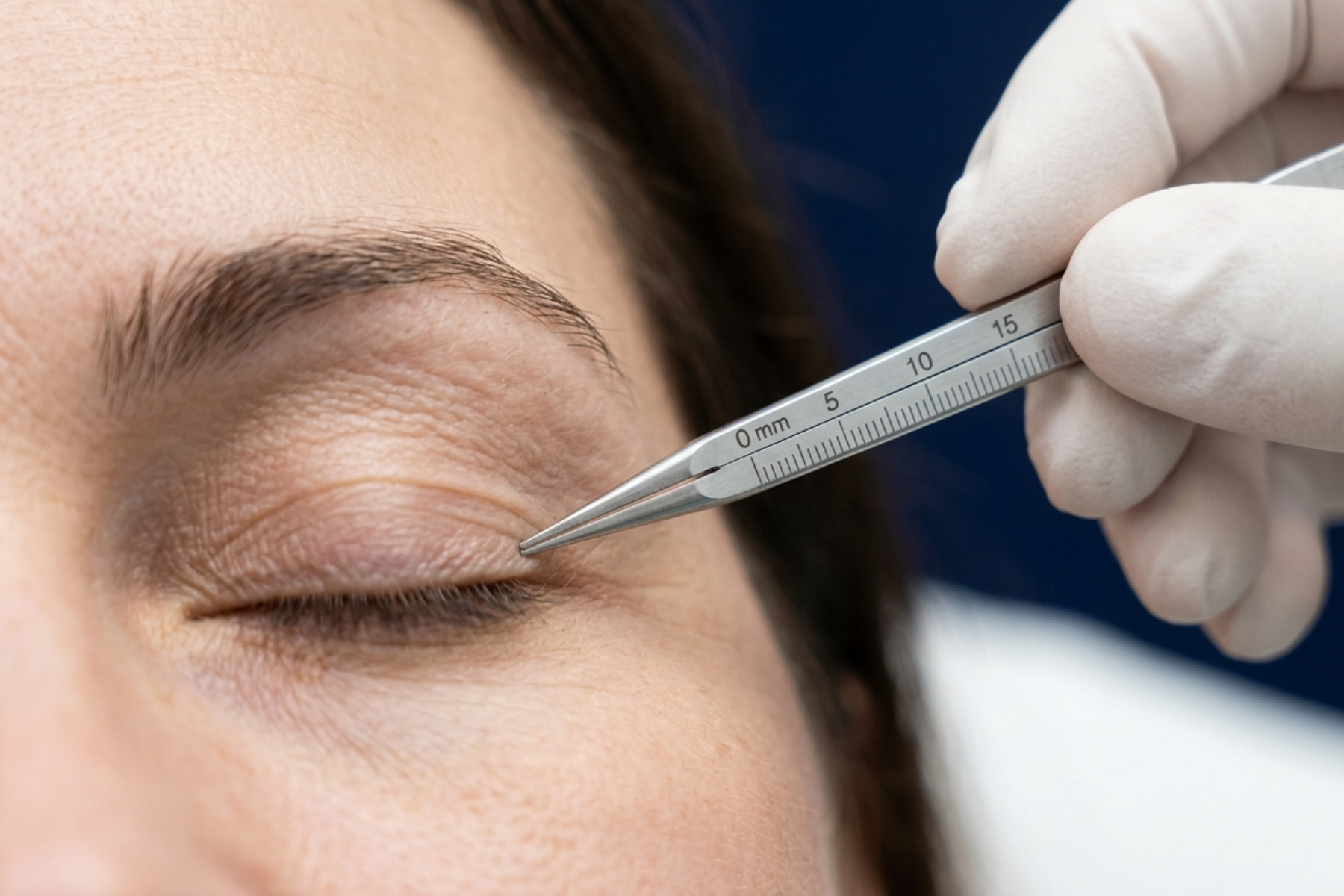
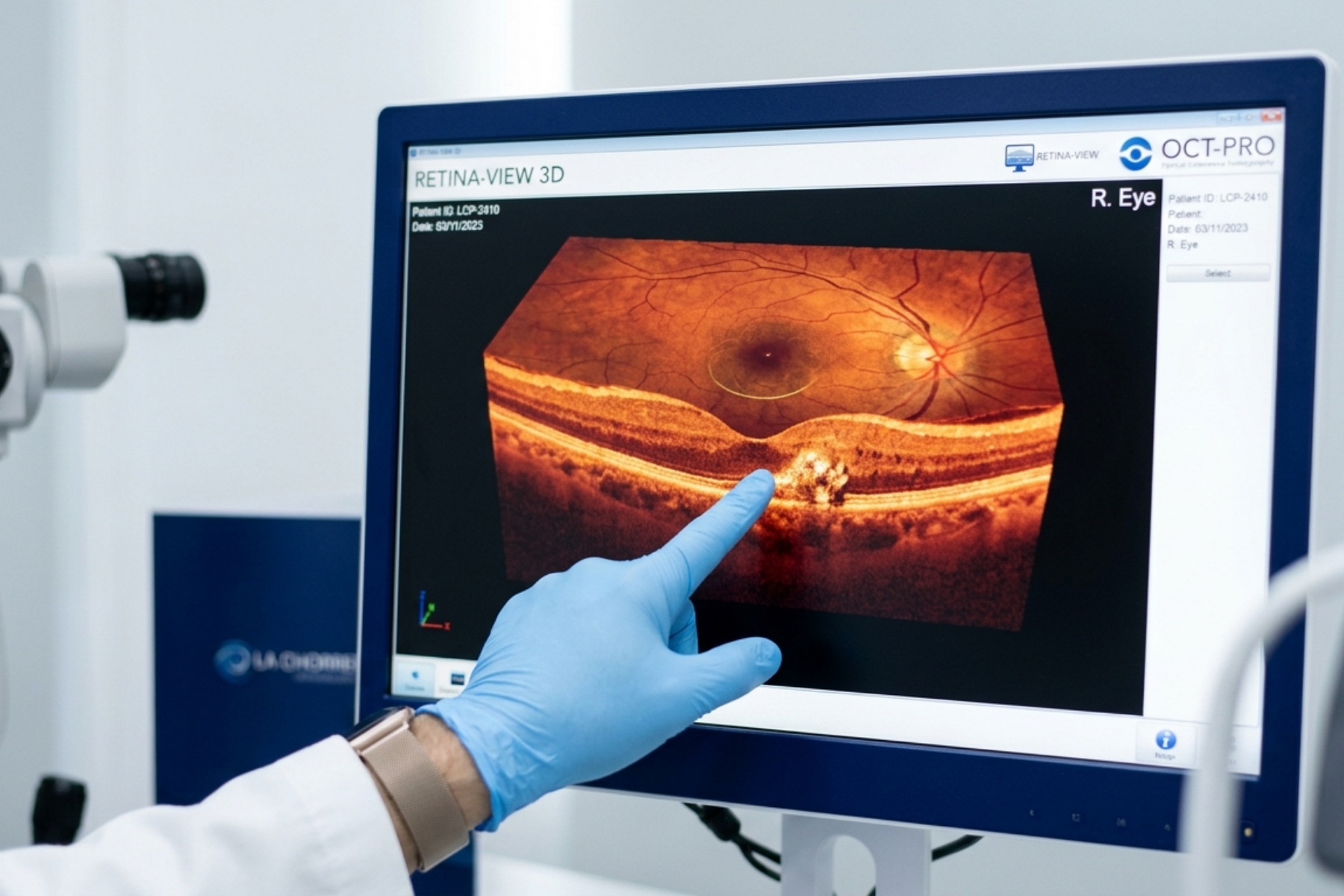
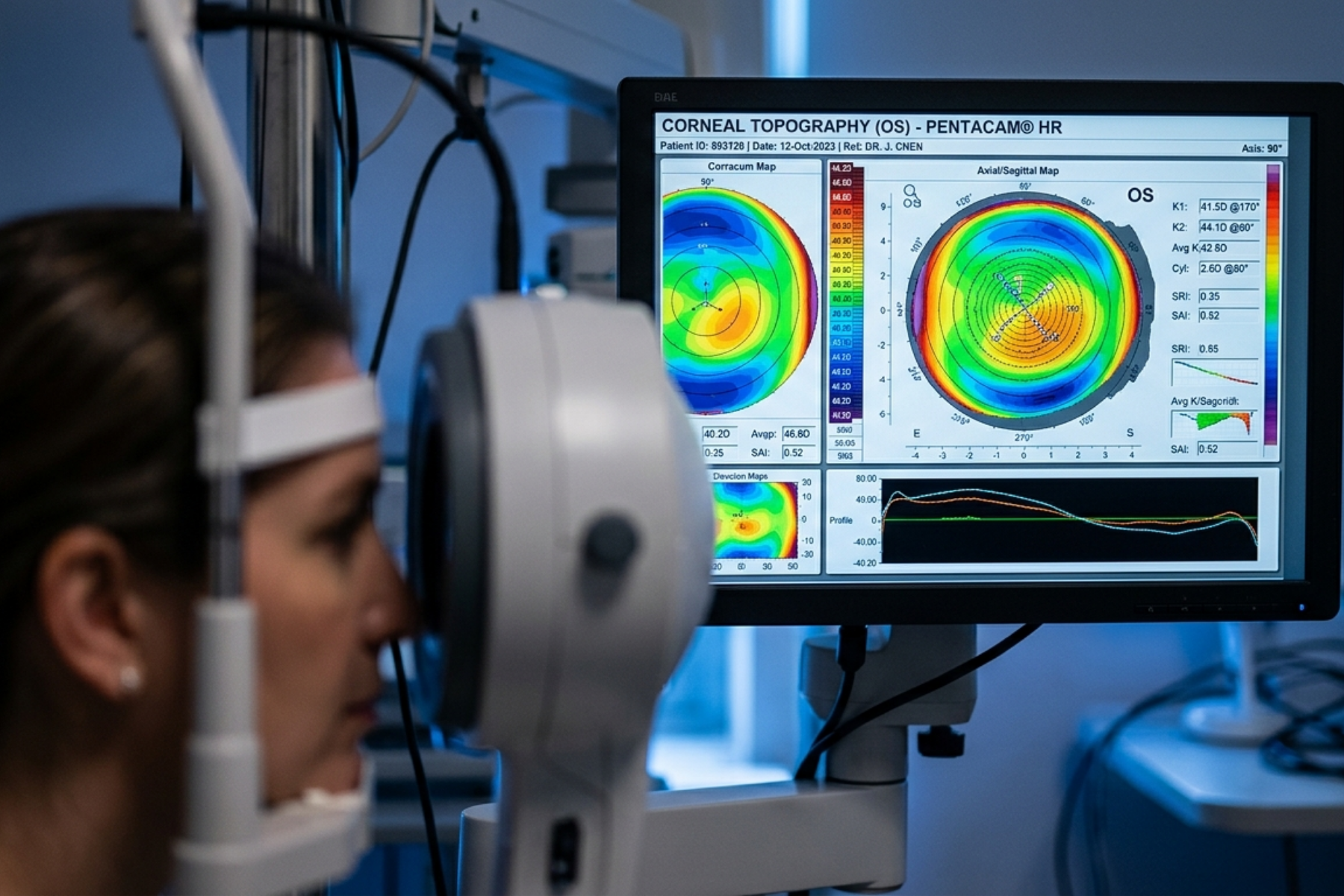
During the evaluation at Boyd Clinic, the specialist uses imaging studies to map the corneal surface. These maps allow for an understanding of the exact elevation, thickness, and curvature of each eye. Based on this data, the ophthalmologist will determine the course of action, which may include:
Specialized contact lenses: Designed to compensate for corneal irregularity and provide sharp vision.
Stabilization procedures: Techniques aimed at stiffening corneal tissue to slow the progression of the cone.
Segments or rings: Surgical options that seek to flatten the curvature of the cornea.
Medical Judgment as a Guide Not all treatments are suitable for all degrees of keratoconus. The choice of technique depends on the residual corneal thickness, the patient’s age, and the rate of disease progression. It is the physician who, after a detailed analysis, defines which option offers the best balance between safety and effectiveness for the patient’s lifestyle.
Managing keratoconus is a long-term commitment. Regular check-ups allow the specialist to adjust treatment according to the eye’s evolution, ensuring that vision remains as stable and functional as possible over the years.
Do you feel that your vision is not improving despite frequently changing your glasses? If you suspect keratoconus or already have a diagnosis and are seeking a specialized second opinion, schedule an evaluation appointment. An accurate diagnosis is the first step to protecting the health of your cornea.