
Advanced Diagnosis: The Importance of Specialized Eye Tests
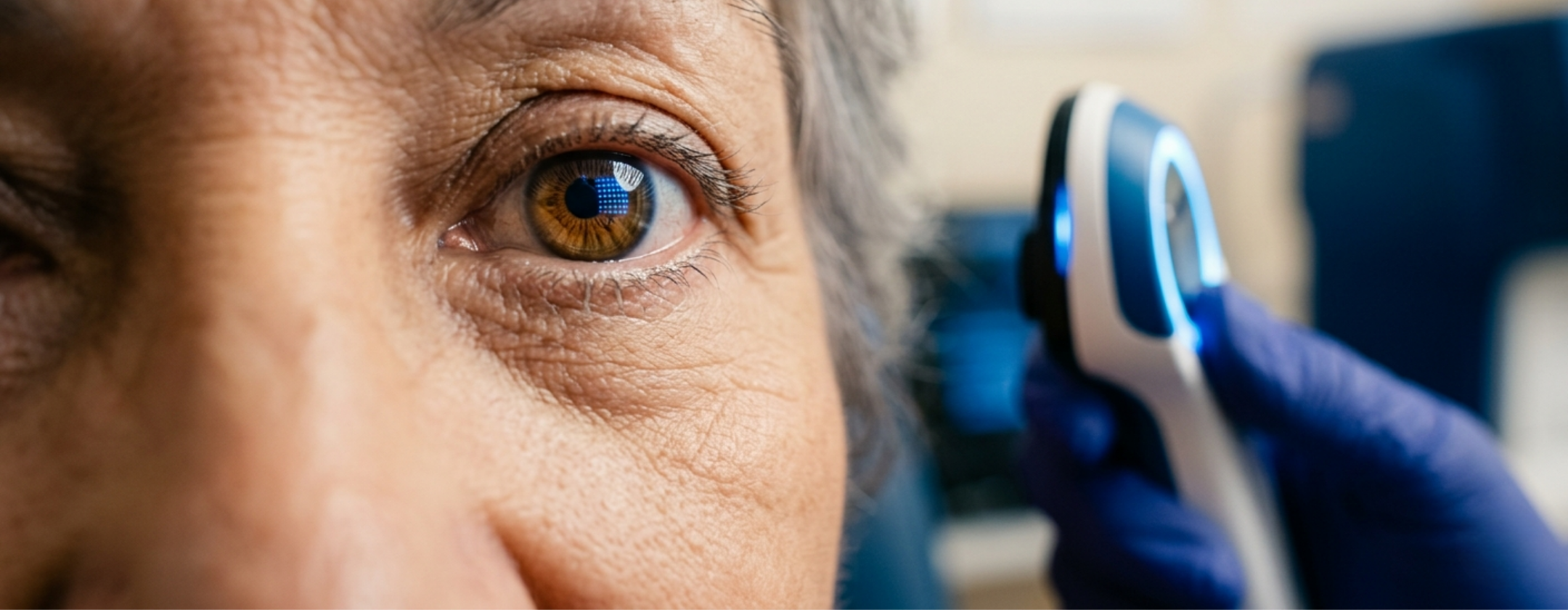
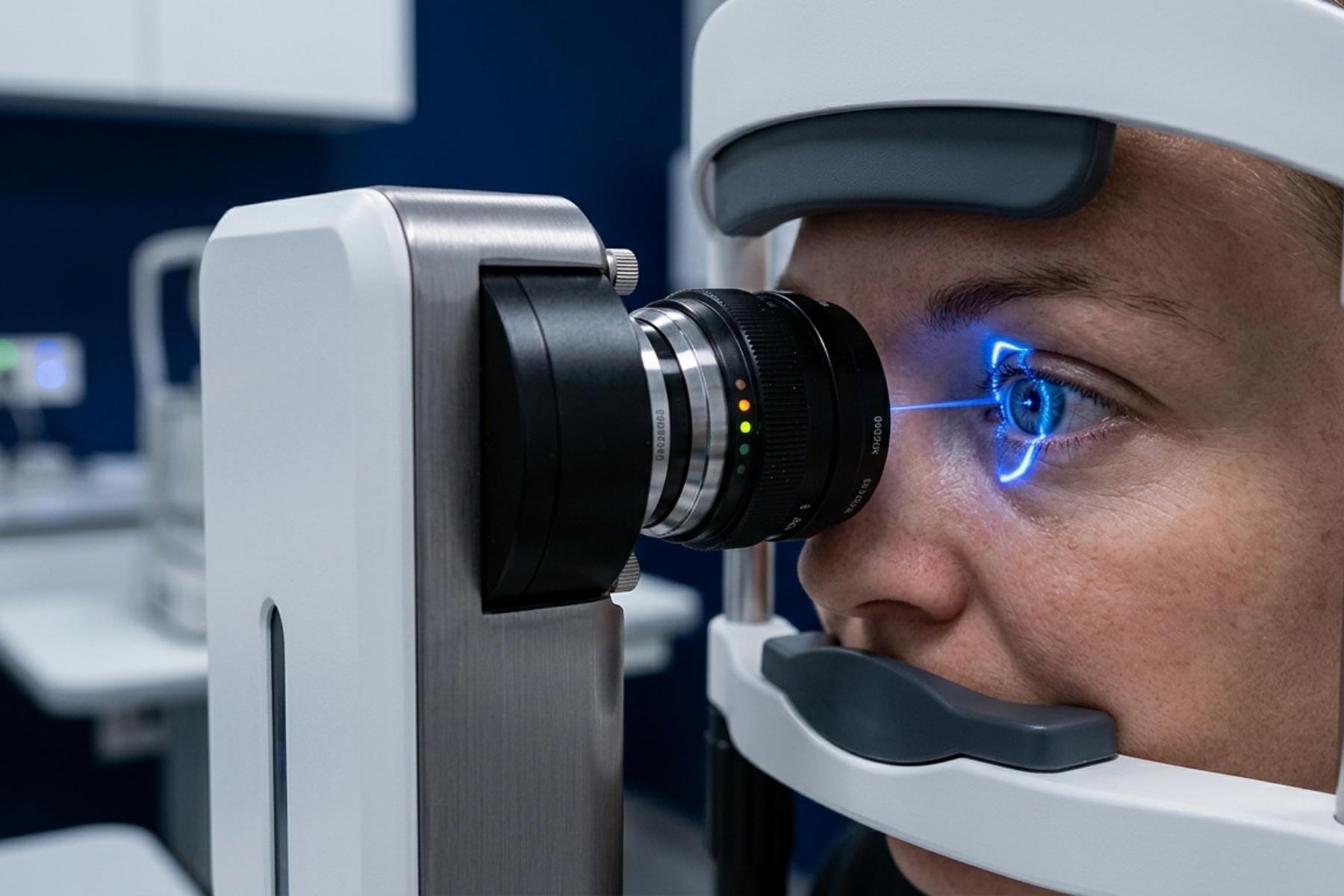
In modern ophthalmology, the specialist’s clinical judgment is supported by a range of imaging and functional tests that make it possible to observe structures that are invisible to the naked eye. These exams not only confirm a diagnosis; they also serve as the roadmap for planning high-precision surgeries and monitoring the progression of chronic diseases.
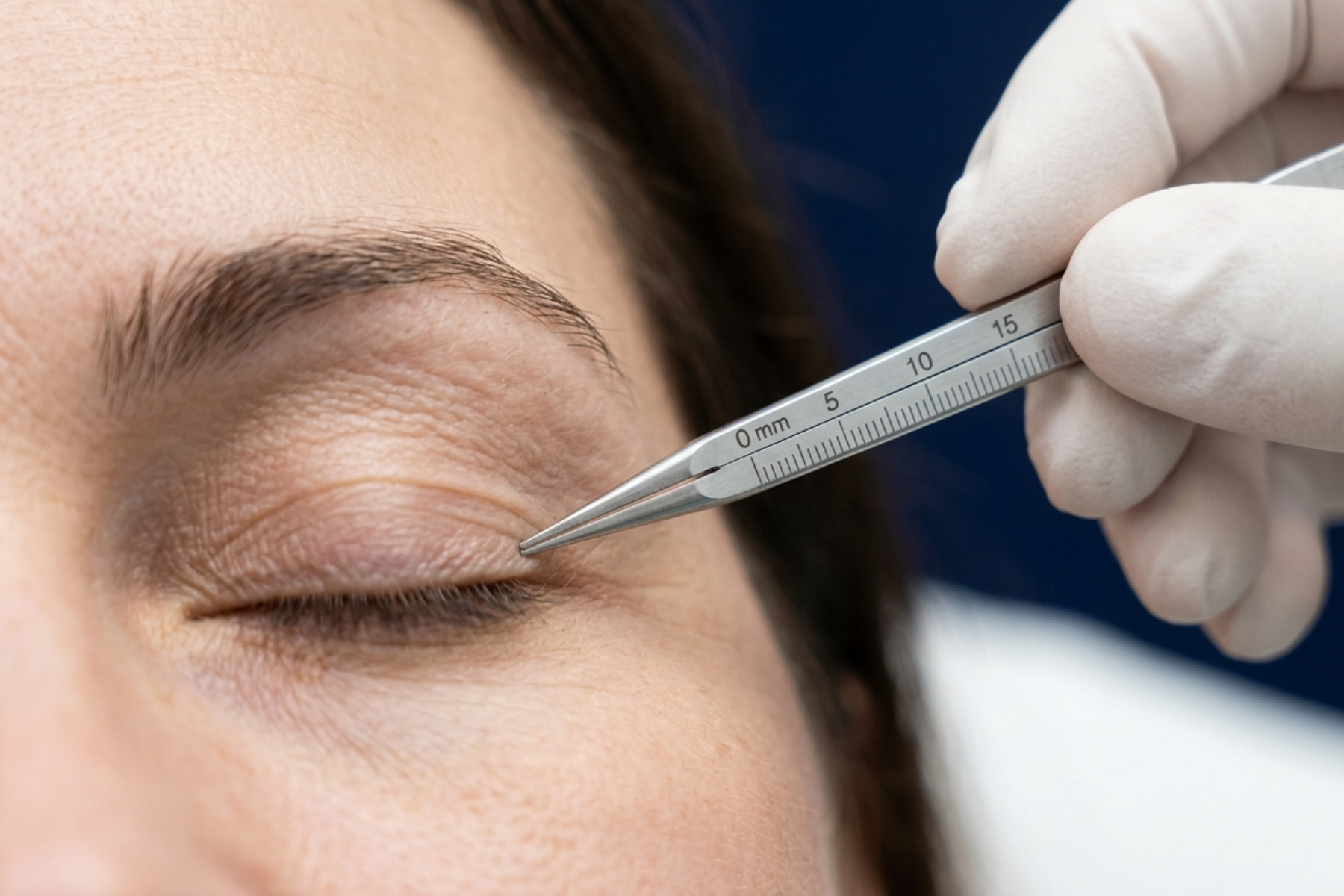
Why are special tests necessary? A conventional eye exam assesses visual acuity and general eye health, but some conditions require a more in-depth analysis. Specialized studies allow for measuring the thickness of retinal layers, mapping the exact curvature of the cornea, or evaluating the visual field range.
It is important to emphasize that technology does not replace medical judgment; it is the specialist who interprets these data to build an accurate, personalized diagnosis for each patient.
Main diagnostic tests Depending on the clinical suspicion, the physician may request specific tests such as:
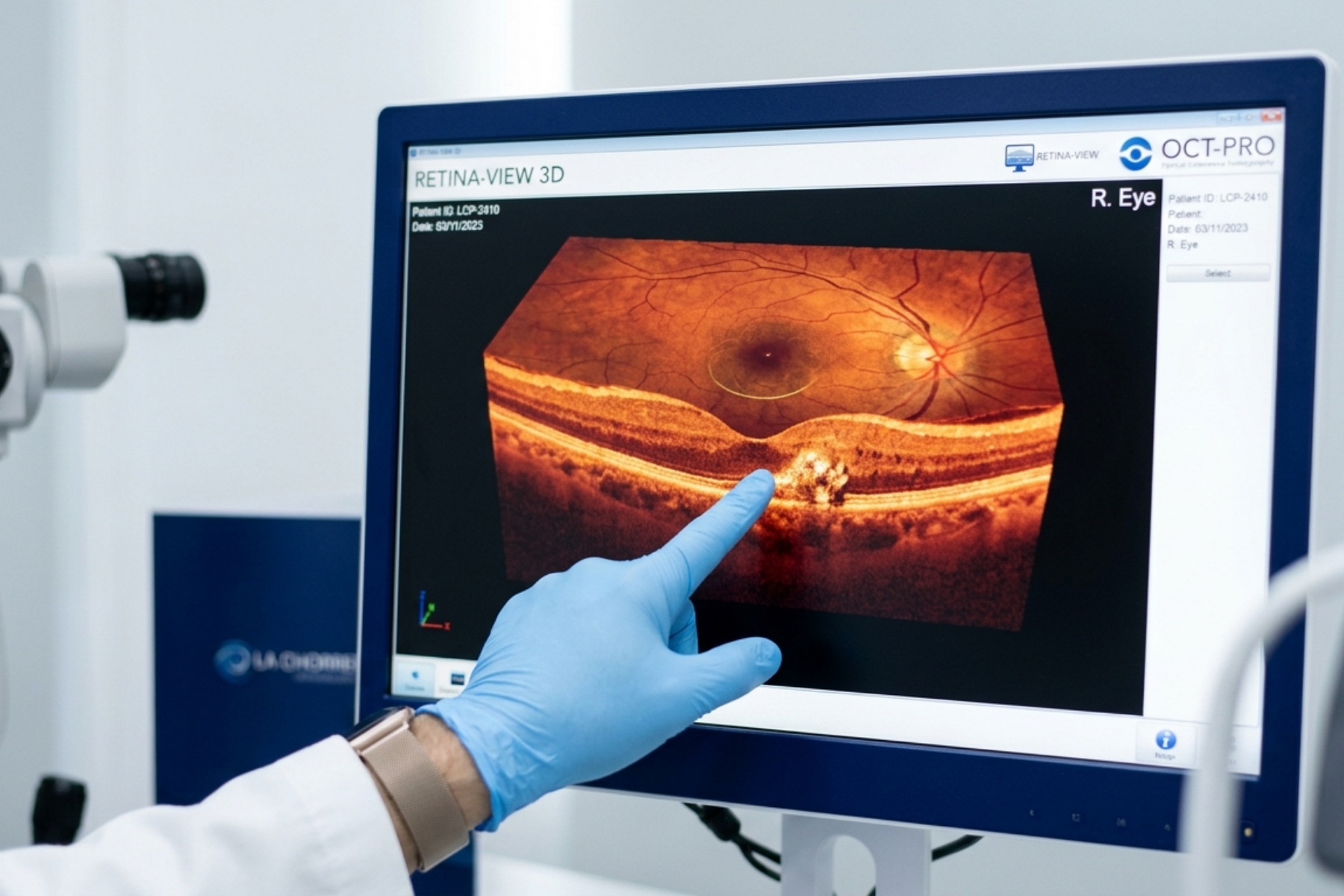
Optical Coherence Tomography (OCT): Provides high-resolution images of the retina and optic nerve, essential for monitoring glaucoma and macular diseases.
Corneal Topography (Pentacam): Creates a three-dimensional map of the cornea, essential for detecting keratoconus or planning laser surgery.
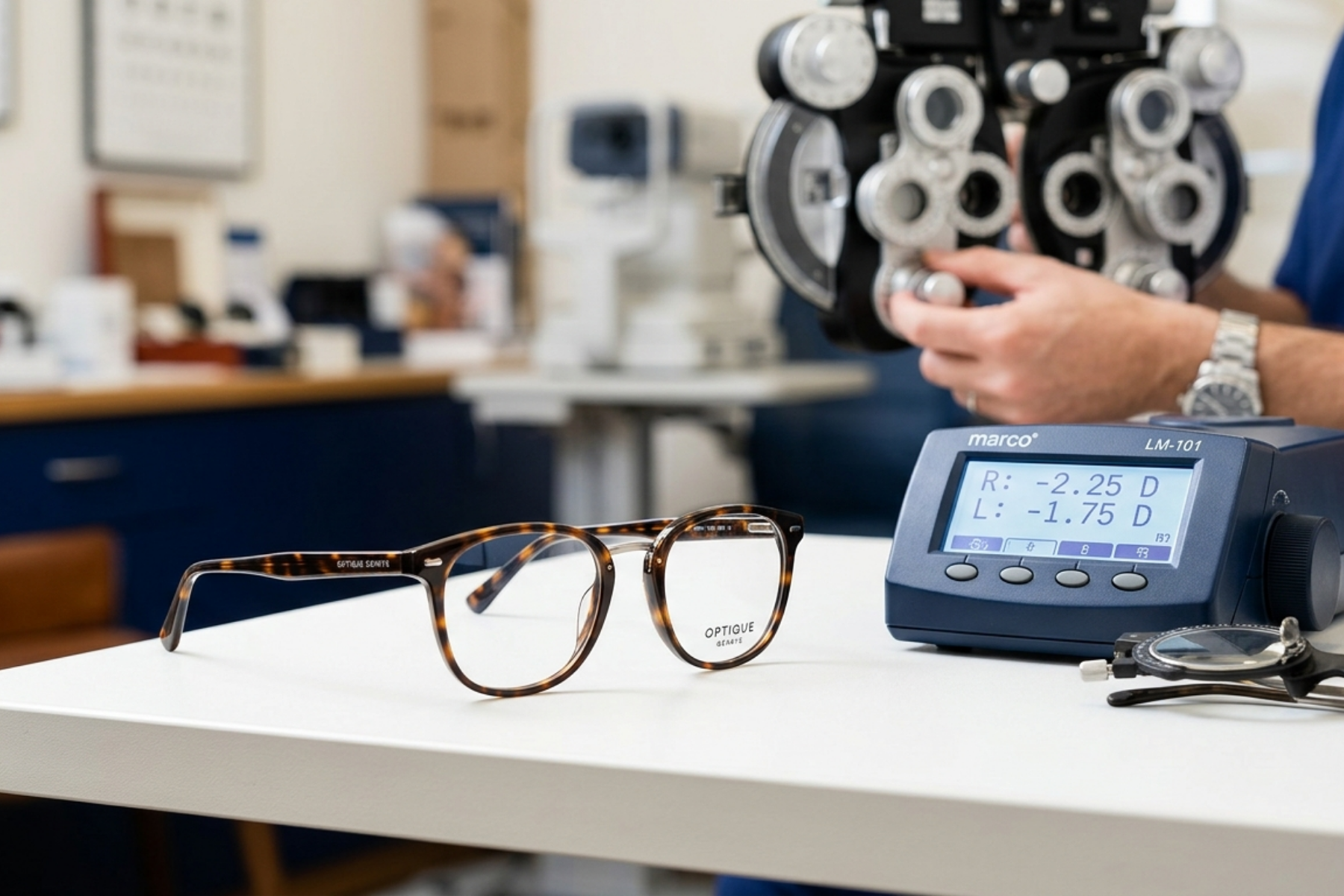
Ocular Biometry: Allows precise measurement of the eye’s dimensions to calculate the intraocular lens power before cataract surgery.
Visual Fields (Perimetry): Evaluates peripheral vision sensitivity, a standard test for glaucoma monitoring.
A painless and precise process Most of these tests are quick, non-invasive, and do not require direct contact with the eye. At Boyd Clinic, the technical and medical staff guide the patient through each step, ensuring that the images are accurate to obtain reliable results.
A diagnosis based on accurate data reduces uncertainty and ensures that the treatment initiated (whether pharmacological or surgical) has a solid foundation. Preventive medicine relies on these tests to detect millimetric changes before the patient notices any loss of vision.
The support of a comprehensive center Having diagnostic equipment in the same location where the consultation takes place facilitates patient care and enables smooth communication between the technician who performs the test and the physician who interprets it. This integration is vital for efficient eye health management.
Has your doctor requested a specialized test, or are you seeking a more in-depth diagnosis? Place your visual health in the hands of experts. Schedule your appointment for diagnostic studies, with the assurance of accurate results and professional medical interpretation.