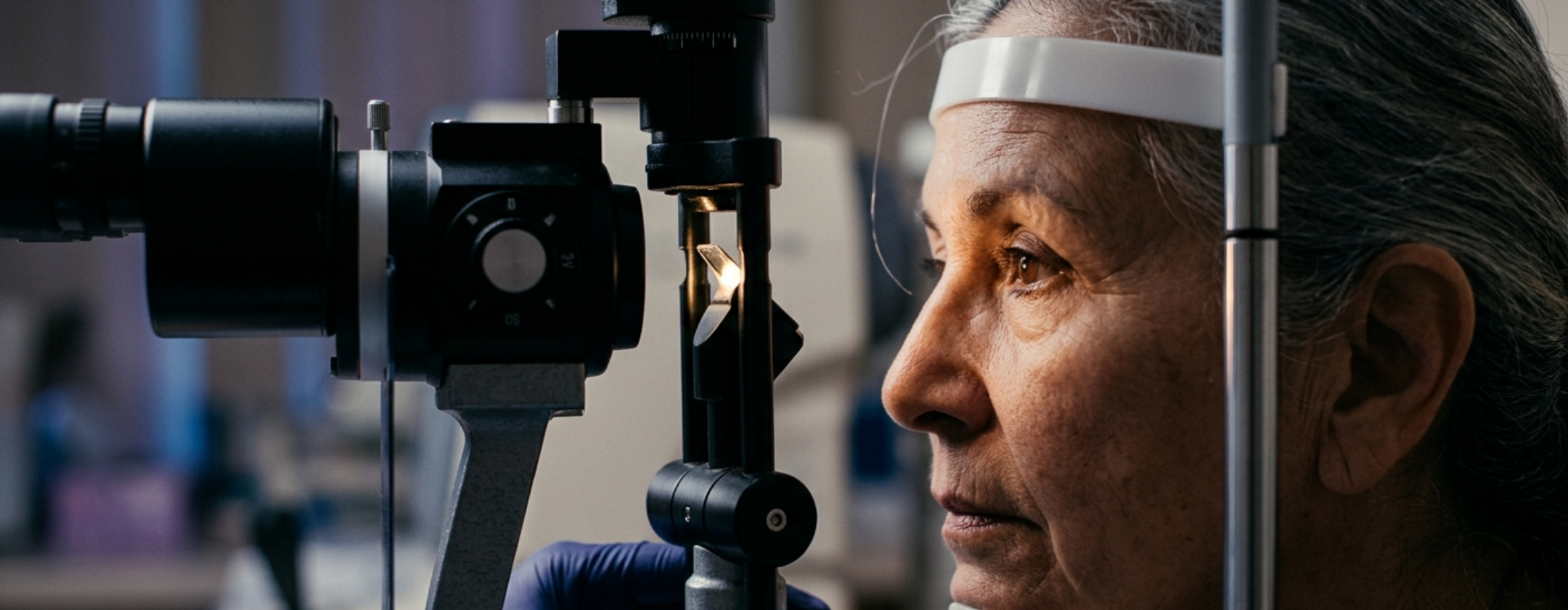
Keratoconus and Cornea in Panama
We provide advanced solutions to restore your visual quality. From Crosslinking and Intracorneal Rings to high-precision Scleral Lenses, backed by 70 years of experience.
What is Keratoconus and how do we treat the Cornea?
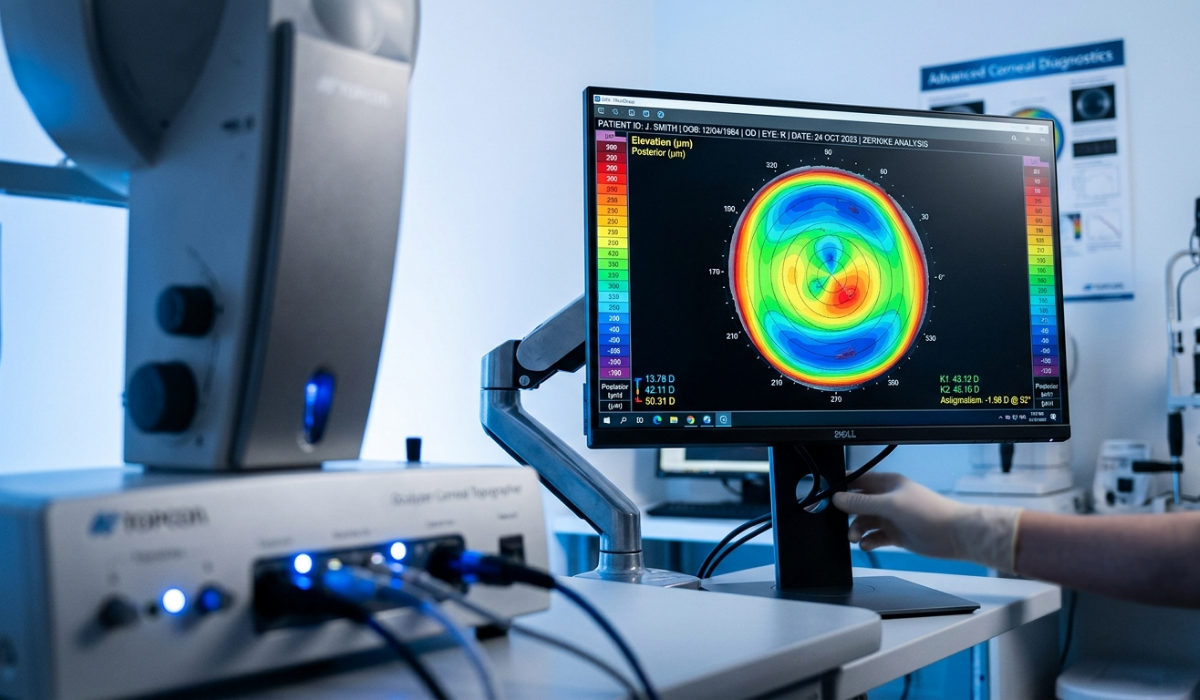
The cornea is the transparent window of the eye. In Keratoconus, it thins and takes on a cone shape, causing severely distorted vision that does not improve with conventional eyeglasses. At Clínica Boyd, we combine 3D mapping technology with cutting-edge surgical and optical treatments to halt progression and restore clarity.
Benefits
Three fundamental pillars for the successful management of keratoconus and cornea at our clinic.
Patient Process
A millimeter-precise analysis to design the exact treatment your cornea needs.
Elevation Topography (Pentacam)
Rigidity Measurement (Pachymetry)
Optical-Surgical Plan
It does not cause total blindness, but it does cause significant visual impairment if left untreated. With current technologies, cornea transplant is now a last resort.
It generally stabilizes between 35 and 40 years of age, but it is vital to monitor it before that age to intervene if there are changes.
They are invisible to the naked eye and are not felt, as they are within the corneal tissue. The patient does not notice their presence.

