
Pterygium: When is it necessary to treat the "fleshy growth" in the eye?
Pterygium, popularly known as a “fleshy growth,” is a benign growth of fleshy tissue on the conjunctiva that can extend onto the cornea. In tropical-climate countries such as Panama, this condition is common due to persistent environmental factors such as ultraviolet radiation, wind, and dust, which chronically irritate the ocular surface.
Symptoms and signs of progression Although pterygium begins as a small whitish or pinkish elevation, its progression varies significantly among patients. Some of the most common symptoms reported during consultation are:
A foreign-body sensation or “grit” in the eye.
Persistent redness and inflammation.
Burning and tearing, especially after sun exposure.
Blurred vision, in cases where the tissue grows enough to alter the curvature of the cornea or cover the visual axis.
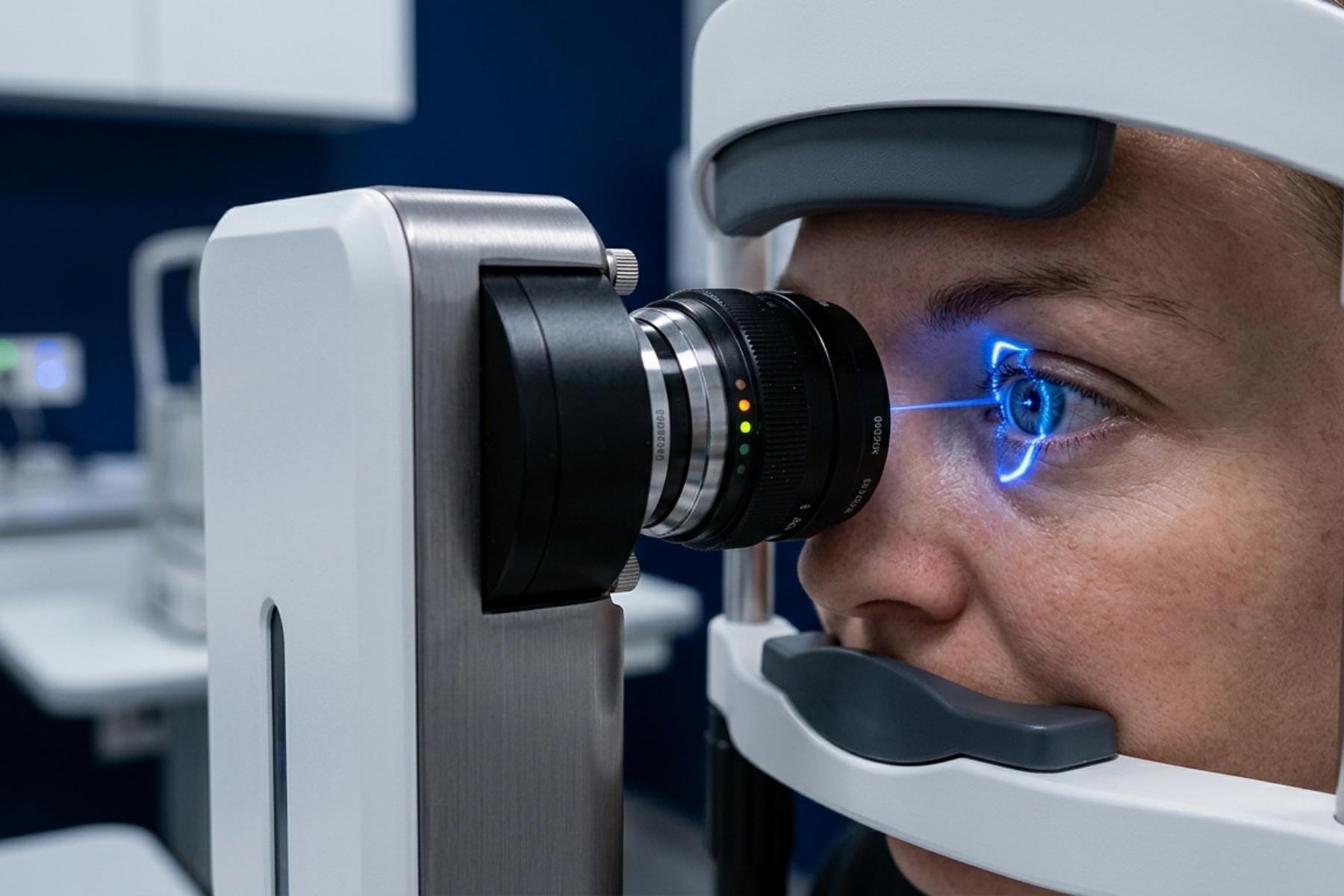
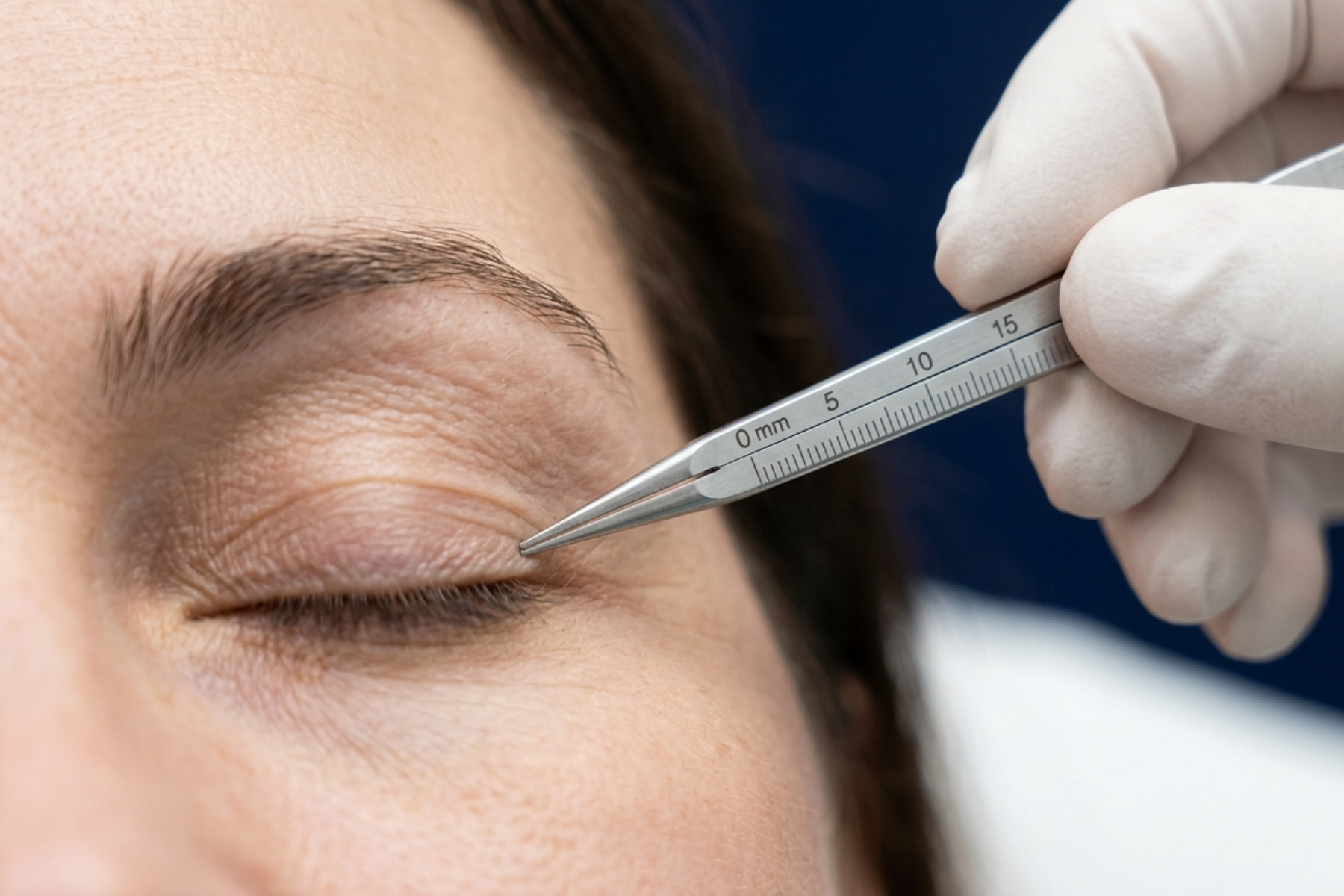
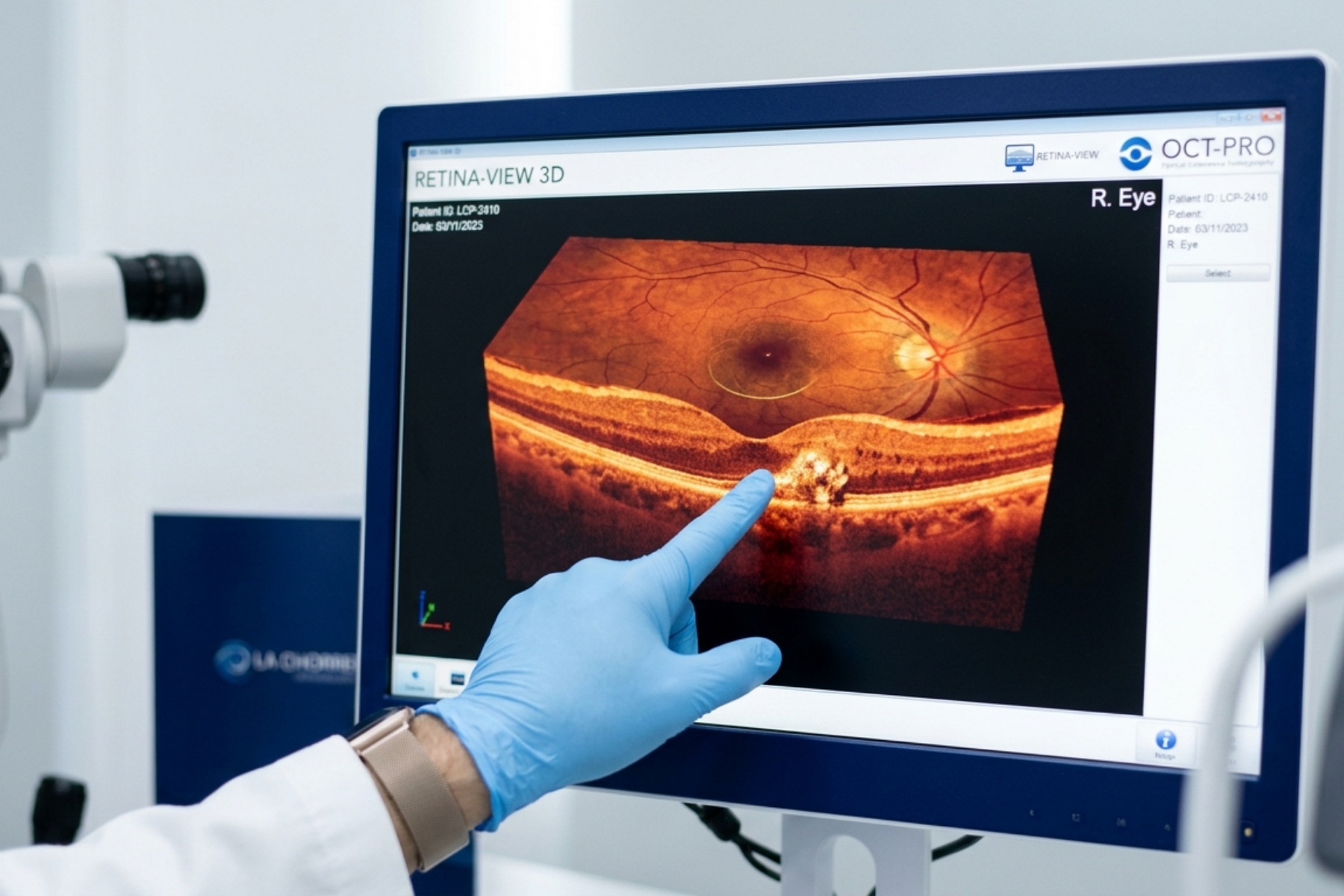
The importance of a personalized evaluation It is a common mistake to assume that every pterygium must be operated on immediately. The decision to intervene depends on a thorough clinical diagnosis. The ophthalmologist evaluates not only the size of the lesion, but also its growth rate and the impact it is having on the patient’s vision.
At Boyd Clinic, the approach is preventive rather than surgical. If the pterygium is small and there is no active inflammation, the specialist may suggest the use of ocular lubricants and strict sun protection. However, if the tissue threatens vision or causes irritation that does not improve with medical treatment, the surgical option is considered.
What does the treatment involve? When surgery is the recommended course of action, the objective is to remove the overgrown tissue and reduce the likelihood of recurrence. Various techniques exist, such as the use of healthy tissue grafts from the patient (conjunctival autograft), which help the surface of the eye heal more uniformly.
The choice of technique and postoperative care are determined exclusively by the physician, who monitors healing to ensure the eye regains stability. The use of sunglasses with certified UV protection remains the primary recommendation after any treatment to prevent recurrence in our tropical environment.
Do you feel constant discomfort or notice growth on the surface of your eye? Not all eye irritations are pterygium, and not all pterygium requires surgery. Allow a specialist to evaluate your case and provide the appropriate diagnosis to protect your visual health.