
Cataract Surgery: What to Expect from the Procedure?
A cataract is a natural condition associated with the aging of the crystalline lens, the eye’s internal lens. When it becomes cloudy, vision becomes blurred, colors lose intensity, and performing daily tasks such as reading or driving becomes difficult. Today, cataract surgery is one of the safest and most frequently performed procedures in the world to restore a patient’s quality of life.
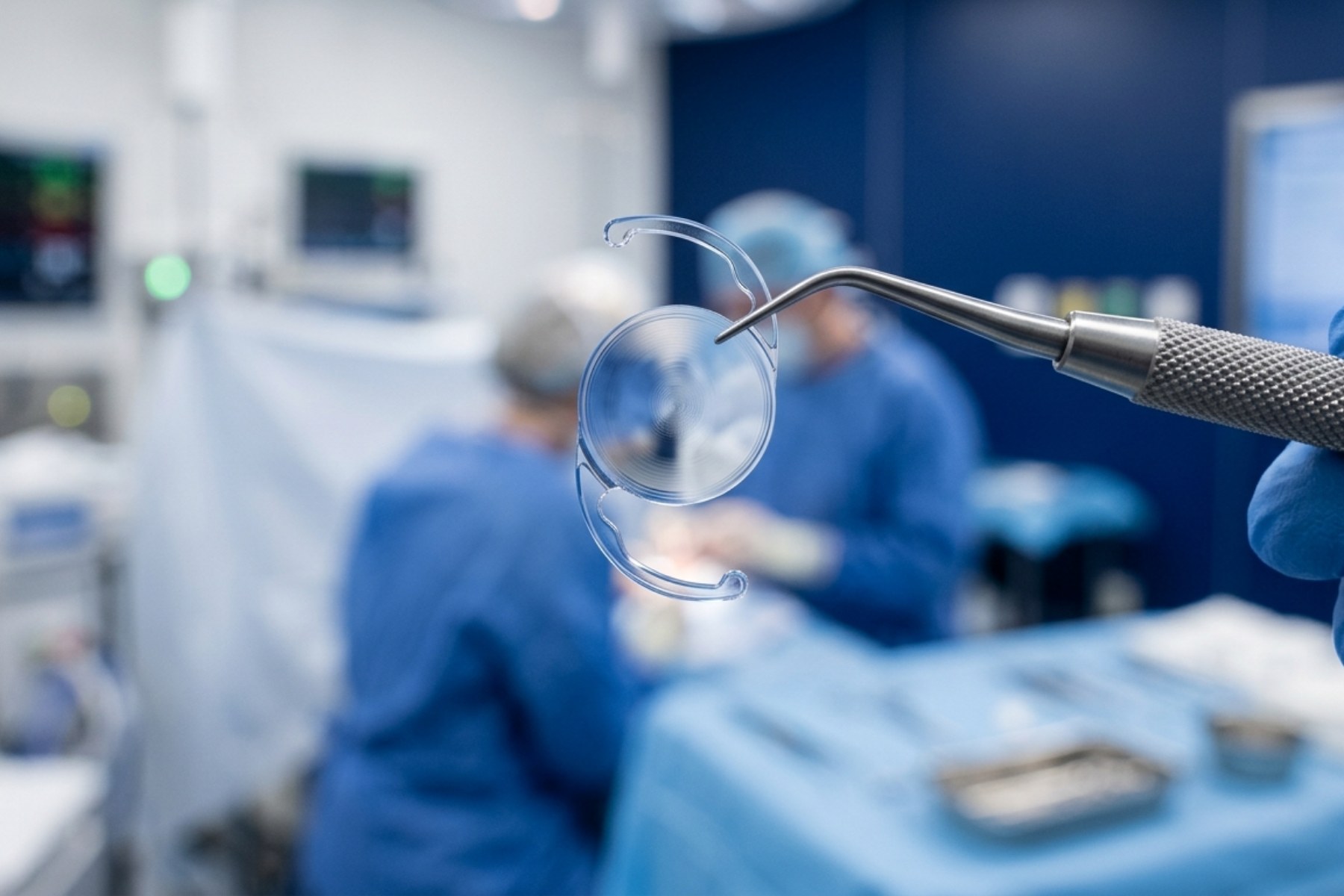
The Phacoemulsification Technique Currently, the standard method for addressing this condition is phacoemulsification. This procedure involves fragmenting the cloudy lens using ultrasound and then gently suctioning it out through a millimeter-sized incision. Once removed, an intraocular lens is placed to replace the function of the natural lens.
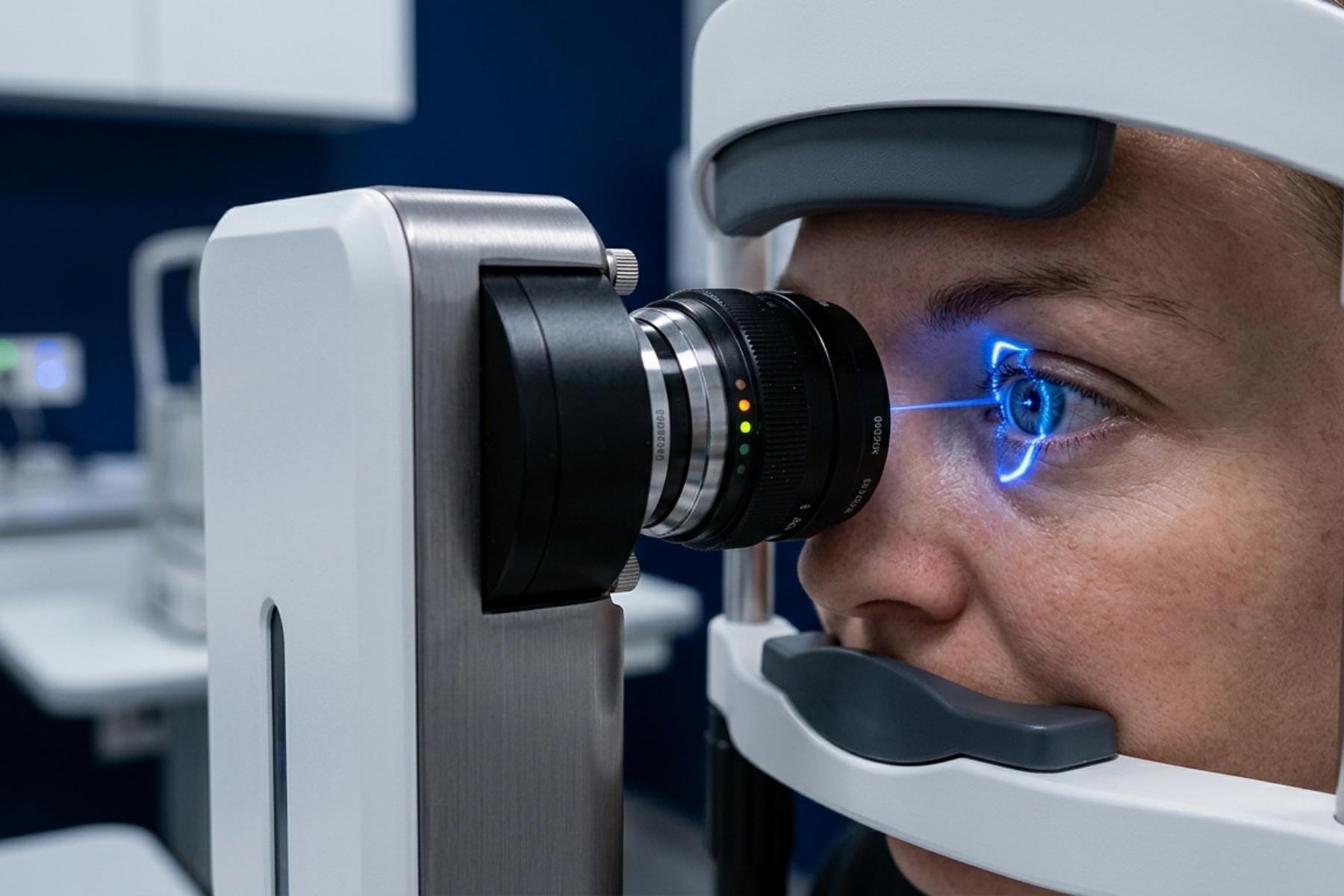
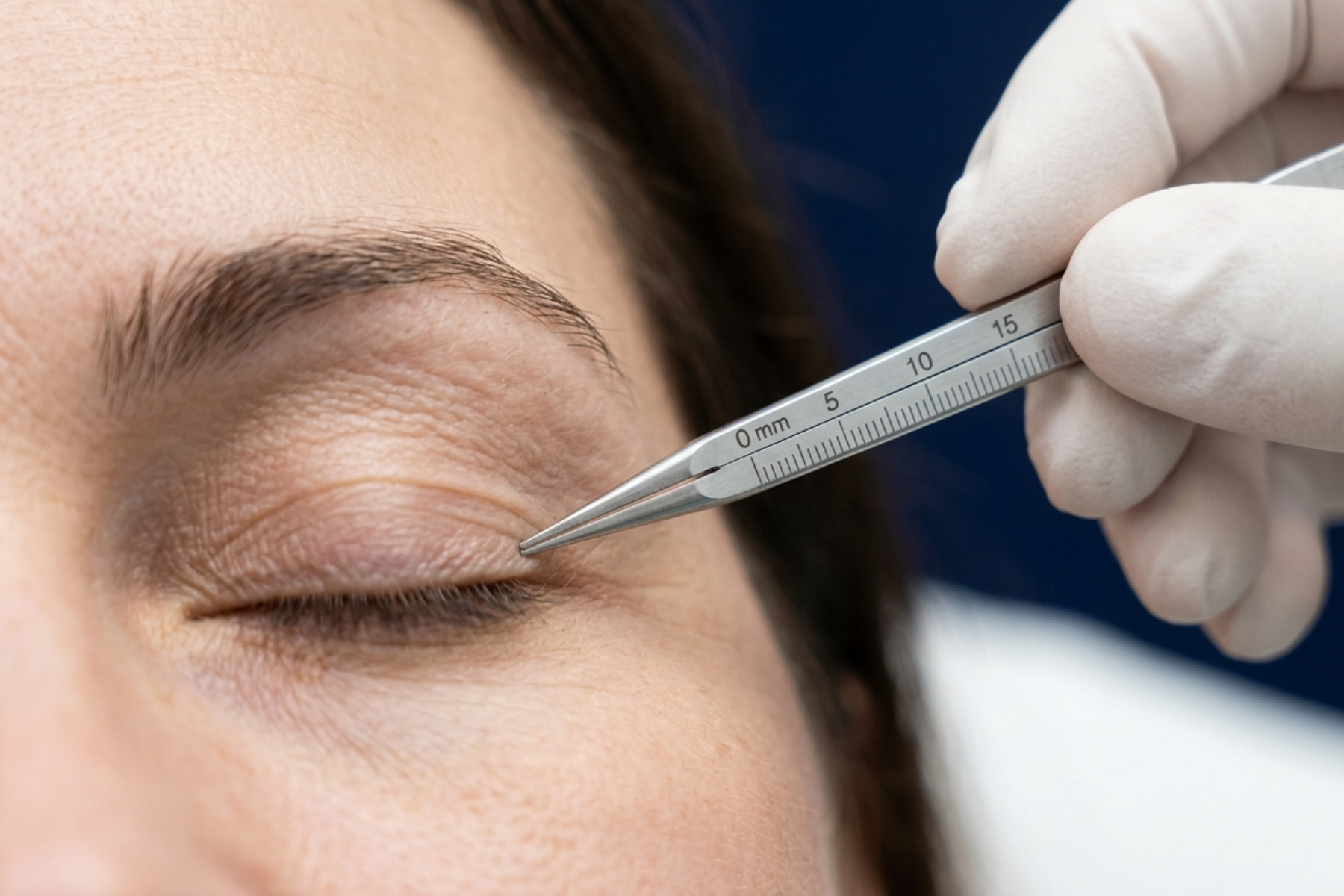
The Importance of Personalization It is fundamental to understand that there is no “one-size-fits-all” approach to cataract surgery. The success of the intervention depends not only on technology but on the preliminary clinical evaluation. During the consultation, the ophthalmologist analyzes critical factors such as:
The density of the cataract.
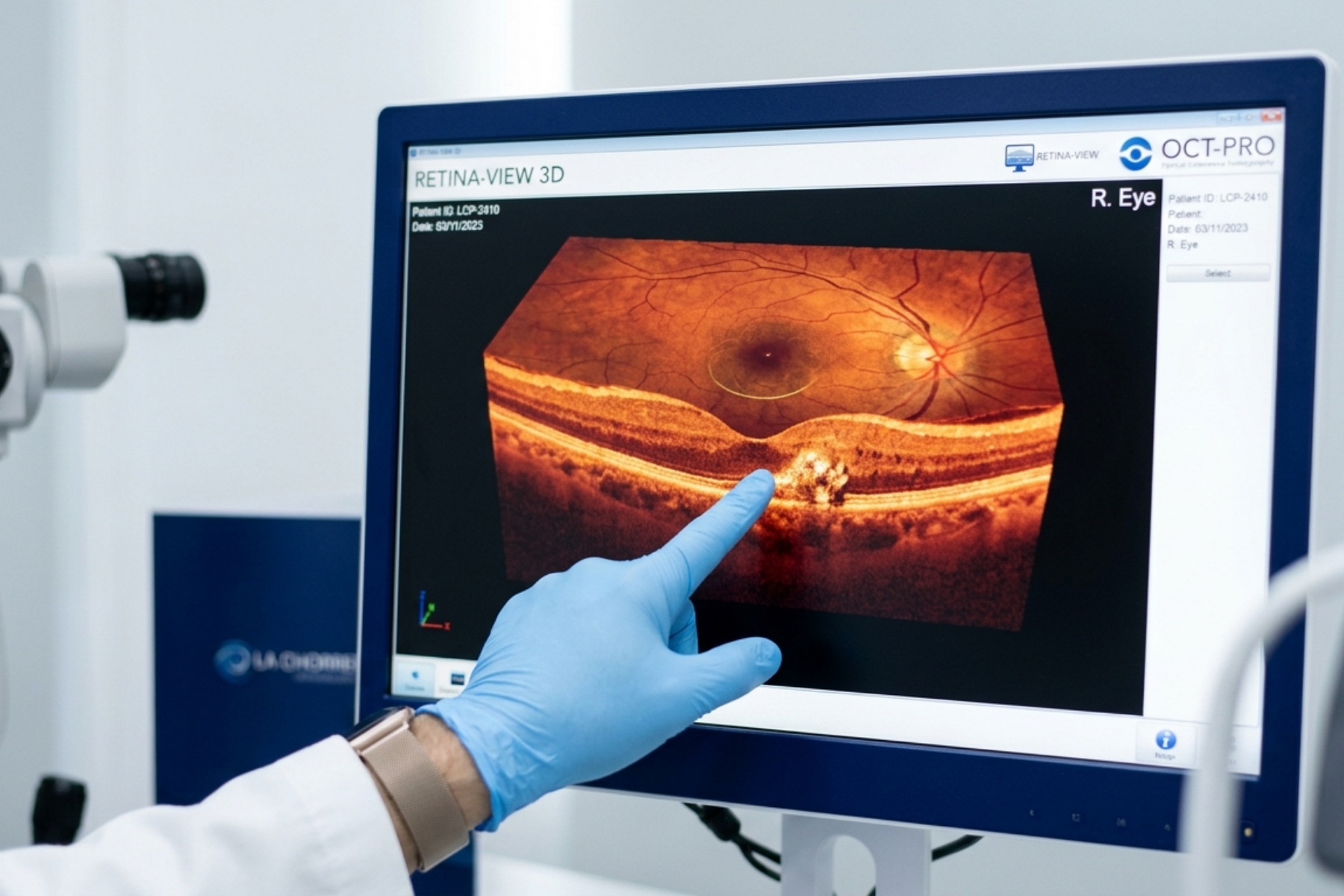
The health of the cornea and the retina.
The patient’s specific visual needs (whether they wish to prioritize distance vision, near vision, or both).
Based on this diagnosis, the specialist will determine the most suitable type of intraocular lens for each eye, as ocular anatomy varies from person to person.
What is the day of surgery like? Many patients feel anxious before the intervention, but it is important to know that:
It is outpatient: The patient returns home the same day.
Local anesthesia: Anesthetic drops are generally used, making the process painless and eliminating the need for general anesthesia.
Short duration: The procedure is usually completed in a few minutes, allowing for a gradual return to normal activities.
Postoperative care and medical judgment Visual recovery is usually rapid, but medical follow-up is vital. The use of medicated drops and periodic check-ups ensure that the eye heals correctly. It is the physician who, based on each patient’s specific progress, will provide care guidelines and determine the appropriate time to resume a full routine.
Have you noticed a loss of sharpness in your vision? Early evaluation is the key to successful treatment. Allow our specialists to perform a comprehensive diagnosis of your visual health and guide you on the best option to restore your clarity.